
Why Background Stitches Are the Secret to Beautiful Needlepoint
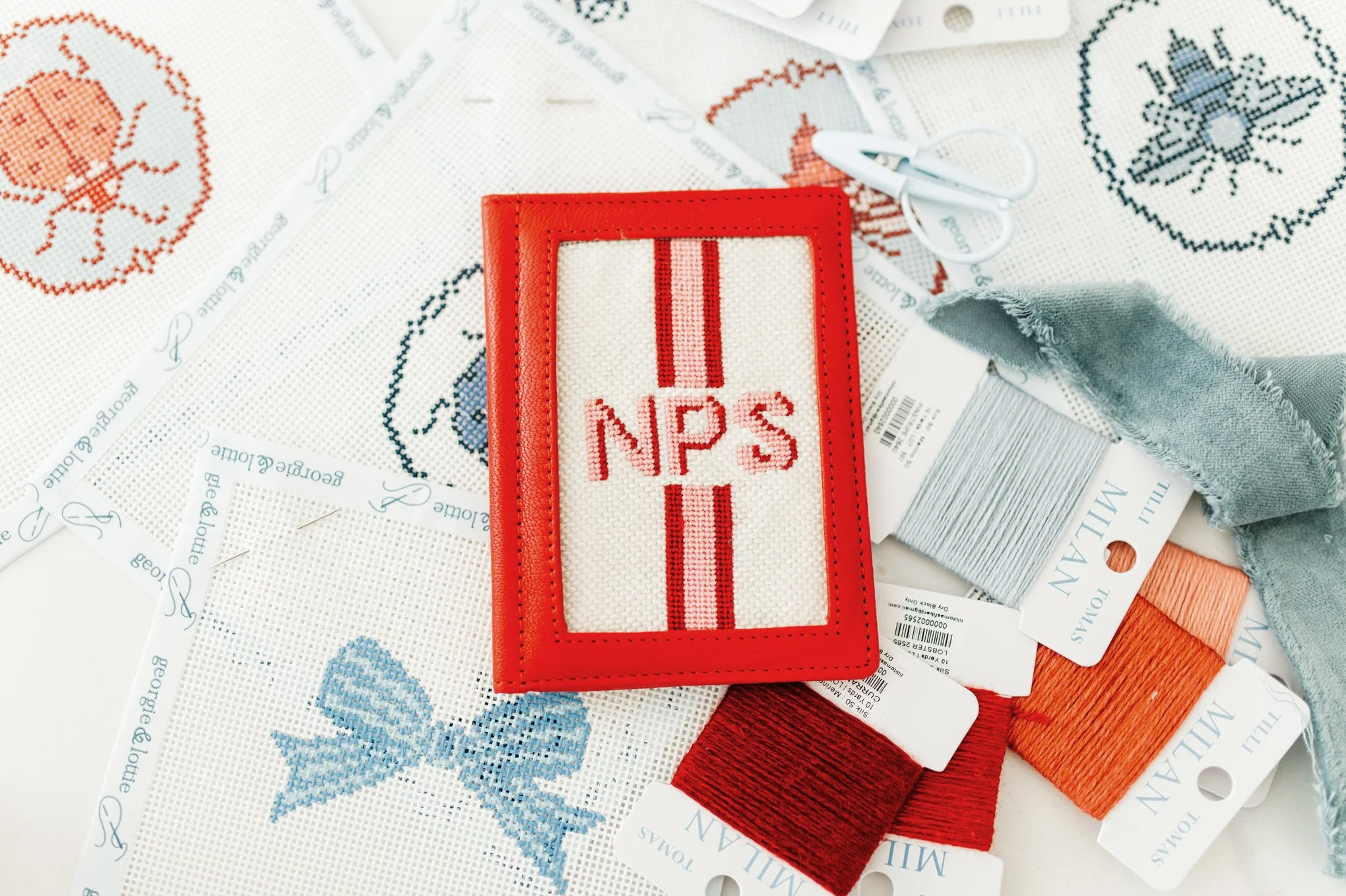
You’ve stitched your motif. The little floral is complete, the monogram is done, the hand-painted strawberry you’ve been lovingly filling in for two weeks has every last seed properly accounted for. You step back, look at your canvas, and feel something you weren’t expecting.
Mild disappointment.
Not because you did anything wrong. The stitching is lovely. The colors are exactly right. Your tension is actually quite good, and you should feel proud of that. It’s just that the canvas around the motif is bare, and “bare canvas” and “finished needlepoint” are not the same sentence. Not even close.
This is the moment. The background moment. Every stitcher arrives here eventually, usually while holding a cup of something and staring at their canvas with one eye slightly narrowed. And how you handle this moment is the difference between a piece that’s nice and a piece that makes people stop mid-conversation in your living room.
Background stitches are the most underrated element in all of needlepoint. They are also, once you understand what’s actually possible, one of the most thrilling creative decisions you get to make. We’re going to walk you through all of it, and by the end you’re going to want to go back and redo every background you’ve ever done. You’re welcome, and also we’re sorry.
The Background Is Not Filler. Say It With Us.
Let’s settle this immediately and permanently: the background of your canvas is not the part you get through. It is not the tedious stretch between finishing the motif and calling it done. It is not where you go on autopilot and listen to a podcast and try to just get it behind you.
It is one of the most important design decisions in the entire project.
Think about how backgrounds work in other visual arts. In painting, the background sets the mood, establishes context, makes the subject pop. A portrait against a deep charcoal background reads completely differently than the same portrait against a pale gold one. The subject is identical. Everything else has changed entirely.
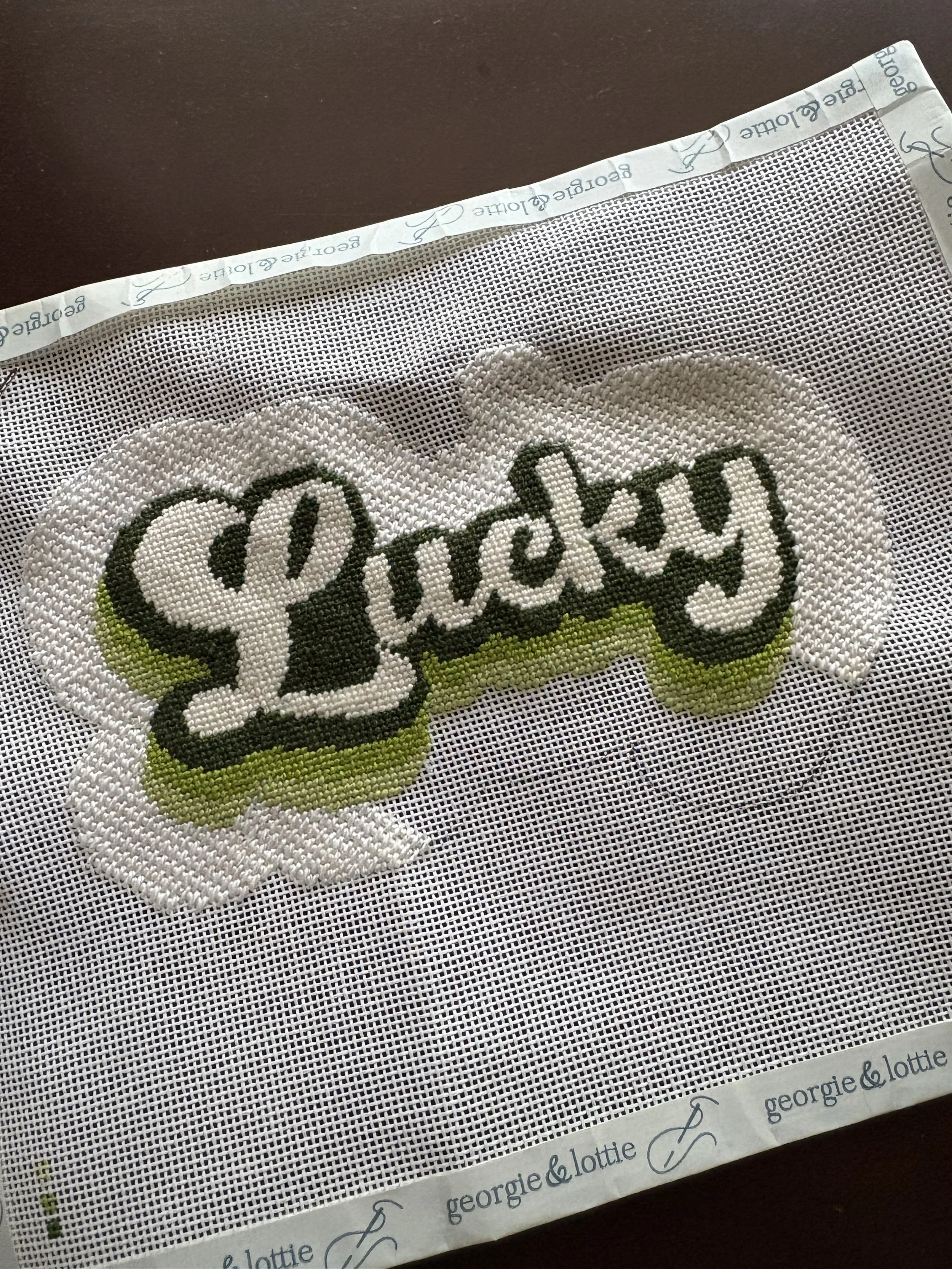
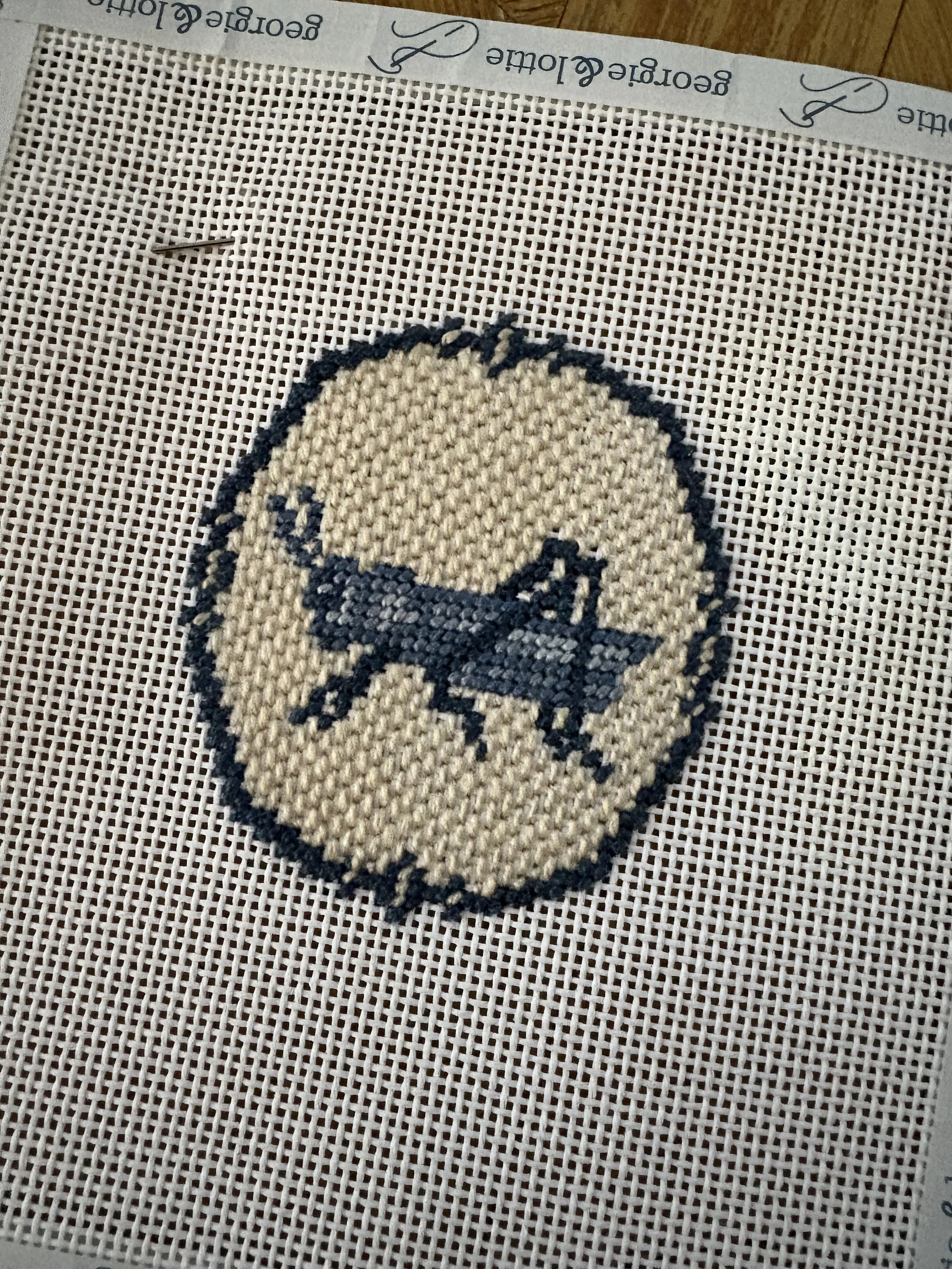
Needlepoint works exactly the same way. A beautiful motif on a flat, unconsidered background will look flat and unconsidered, and all your careful work on the main design will be quietly undermined by the beige nothing surrounding it. That same motif surrounded by a thoughtfully chosen background stitch? Suddenly it looks like something that belongs in a frame shop with no visible price tags. You know the kind. That’s what we’re going for.
The genuinely good news: background stitches are not technically difficult. They’re creative. And creativity, it turns out, is the most enjoyable kind of work there is.
Two Schools of Background: Which One Are You?
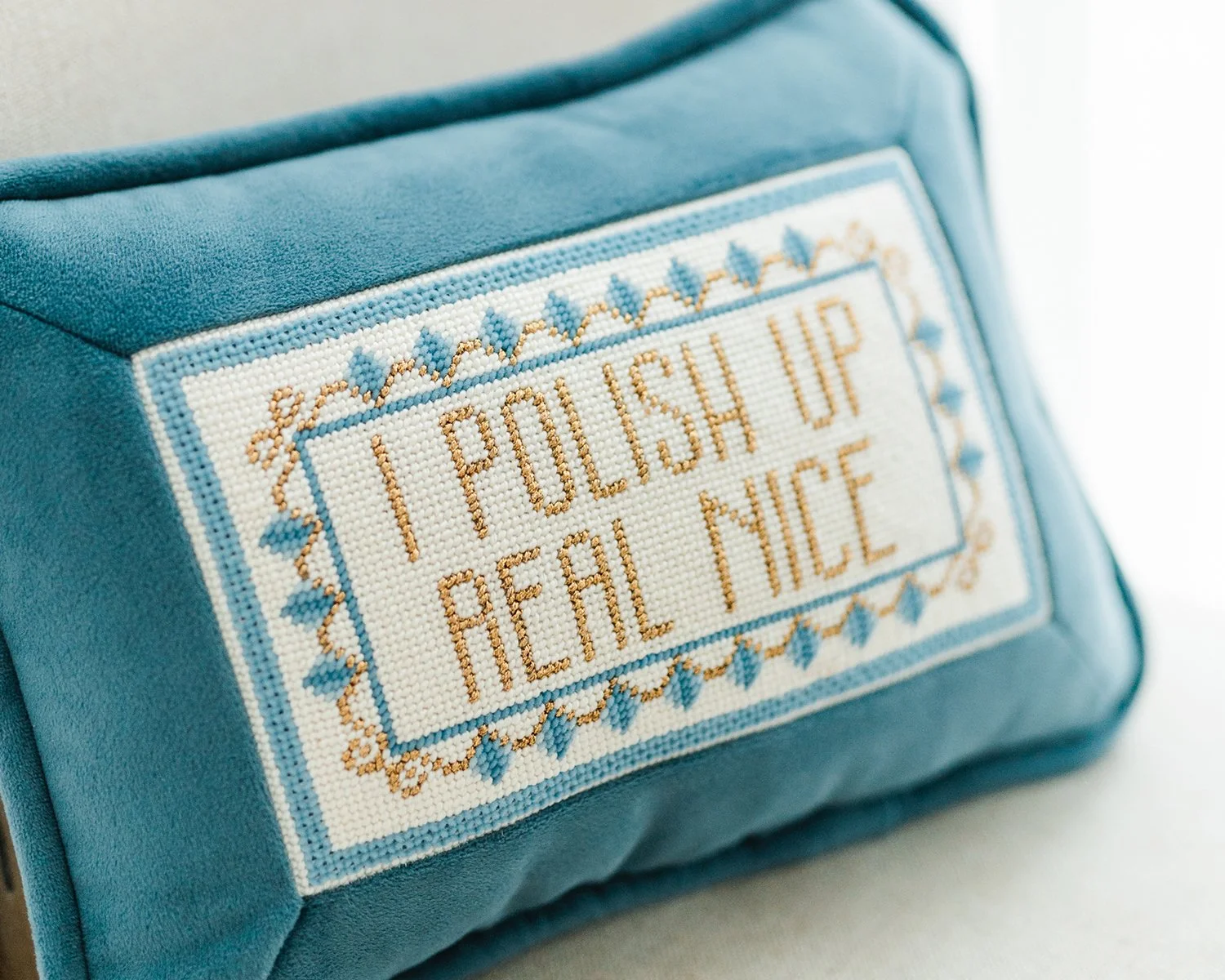
In the world of needlepoint background stitches, there are two broad approaches. Classic and smooth, or textured and decorative. Neither is superior. They’re just different personalities, and you probably already know which one you are.
The Classic Smooth Background
Basketweave stitch is the gold standard for smooth backgrounds. Worked diagonally across the canvas in a consistent, meditative rhythm, it creates a refined woven texture that’s subtle enough to support the motif without competing with it. If your design is detailed and colorful, basketweave in a single rich shade is often exactly right. It gives the whole thing room to breathe.
Continental stitch is another smooth option, though it’s less ideal for large backgrounds because it tends to distort the canvas over time. For small areas right up against a motif, it’s perfectly lovely and entirely acceptable.
The smooth background says: I am confident. I don’t need to show off. Let the design speak for itself. A deep navy basketweave around a floral canvas? That’s not a background. That’s a statement. A very chic, very deliberate statement.
The Textured and Decorative Background
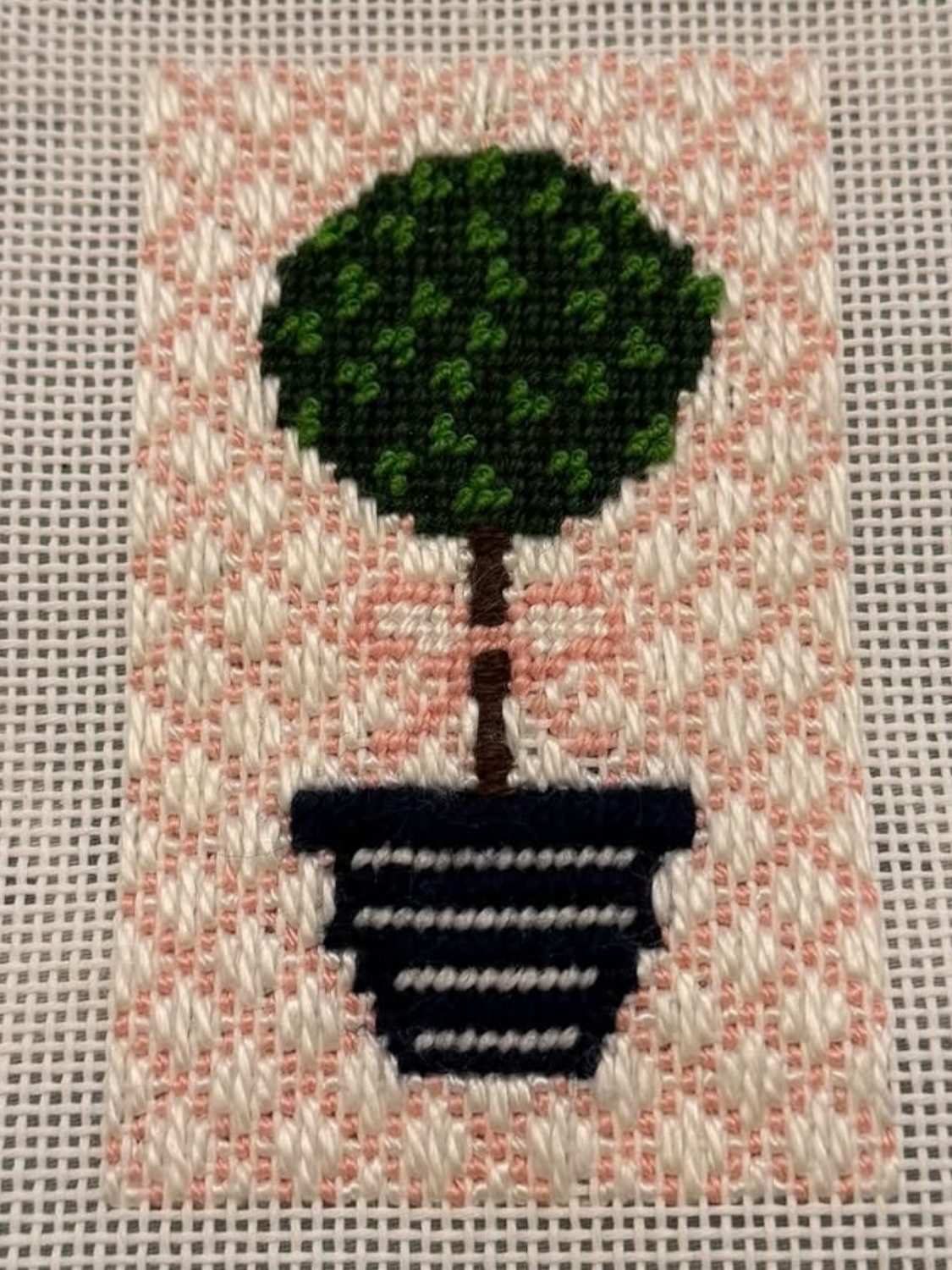
This is where needlepoint becomes genuinely, almost irresponsibly exciting. Textured background stitches add actual dimension to your canvas. Raised areas. Geometric patterns. A woven quality that catches the light differently depending on where you’re standing in the room. The options are almost unreasonably good.
Brick stitch. Rows of staggered stitches that produce something almost tweed-like in texture. Particularly magnificent in heathered wools. The kind of background that makes people reach out and touch your canvas without asking permission, which is rude but also very flattering. Can be worked horizontally or vertically depending on the direction your soul is traveling that day.
Hungarian Stitch. A geometric pattern built from alternating long and short vertical stitches that create a honeycomb-like texture across the canvas. Deceptively simple to work, endlessly satisfying to watch emerge. Ideal for backgrounds that want to feel intentional and handcrafted without pulling focus from the motif living in front of them.
Scotch Square Stitch. A series of diagonal stitches arranged into neat squares, each one a small, self-contained composition. More structured than plain basketweave, more approachable than the stitches that require a tutorial and a prayer. The reliable choice when you want your background to have quiet personality.
Alternating Continental Stitch. The same stitch worked in four directions from a central point, creating a quiet, radiating symmetry across the background. Meditative to stitch. Quietly stunning when finished. The background choice of someone who has done their homework. Looks AMAZING with Very Velvet or Petite Very Velvet.
How to Choose the Right Background Stitch
Choosing your background stitch is one part technique, one part taste, and one part being honest with yourself about what kind of stitcher you actually want to be. Here are the questions worth asking before you commit:
How busy is my motif? A detailed, color-rich design wants a quiet background that lets it breathe. A simple, graphic motif can handle a background with real personality. Give each element its appropriate amount of stage. Nobody wins when everyone’s fighting for attention.
What mood am I after? Smooth backgrounds read as classic and refined. Textured backgrounds read as artisanal and considered. Both are beautiful. Only you know which one belongs in the specific room this piece is going to live in. Think about the wall before you pick the stitch.
How much background is there? A small strip of background around a tight motif can handle significant texture. A large, expansive background often benefits from something gentler and more rhythmic. Scale matters in needlepoint exactly the way it matters in interior design. Which is to say: enormously.
What will this canvas become? A piece destined for a pillow or a bag needs a durable, dense background stitch. Basketweave is always the smart choice for anything functional. A piece going into a frame has considerably more creative latitude. Use it.
Our hand-painted canvases are painted edge to edge specifically so you have a clear, intentional field to work with. The background is part of the canvas from the very beginning, not an afterthought we left for you to figure out. If you’re not sure where to start, the FAQ has answers, and Stitch School covers the foundational stitches so you can build from there with confidence.
The Thing That Makes Needlepoint an Art
What background stitches are really about is the difference between a canvas that was filled in and a canvas that was designed. Every decision you make, from stitch choice to thread color to direction to texture, compounds into a finished piece that feels intentional all the way through. Not assembled. Authored. There is a meaningful difference, and people who see the finished piece can feel it even when they can’t name it.
This is what puts needlepoint firmly in the category of stitching art. Anyone can fill in a motif. Not everyone thinks carefully and creatively about what surrounds it. That’s the whole game.
Browse our full canvas collection with your background vision already forming. It changes how you look at every canvas entirely. In the best, most slightly obsessive possible way.
Georgie & Lottie Co. makes hand-painted needlepoint canvases for stitchers who care about every detail. Including, especially, the ones that surround the main event.