
Why Aesthetic Crafts Are Replacing Fast DIY
There was a moment, somewhere around 2015, when “easy” became the most popular word in craft content. Easy DIY wall art. Easy weekend projects. Easy home decor you can make in forty-five minutes with supplies from your junk drawer and ambitions carefully managed to match.
It was, in theory, a good idea. Crafting for everyone. Making accessible, no skill required, no beautiful materials necessary, no waiting and absolutely no patience needed.
The problem was the result. You know the result. The thing that looked incredible in the tutorial and lived in your kitchen drawer by Thursday because you couldn’t figure out where to actually put it. The project that was fine. Fine is not a reason to make something.
People made a lot of those things. And then they quietly, collectively, decisively stopped wanting to make them. What they wanted instead was something worth making. Something worth keeping. Something that looked as good in their actual home, under their actual lighting, on their actual shelf, as it did in the carefully lit photograph that made them want to make it in the first place.
This is how the age of aesthetic crafts began. And needlepoint, as it turns out, was already there the whole time, waiting with tremendous patience and excellent taste.
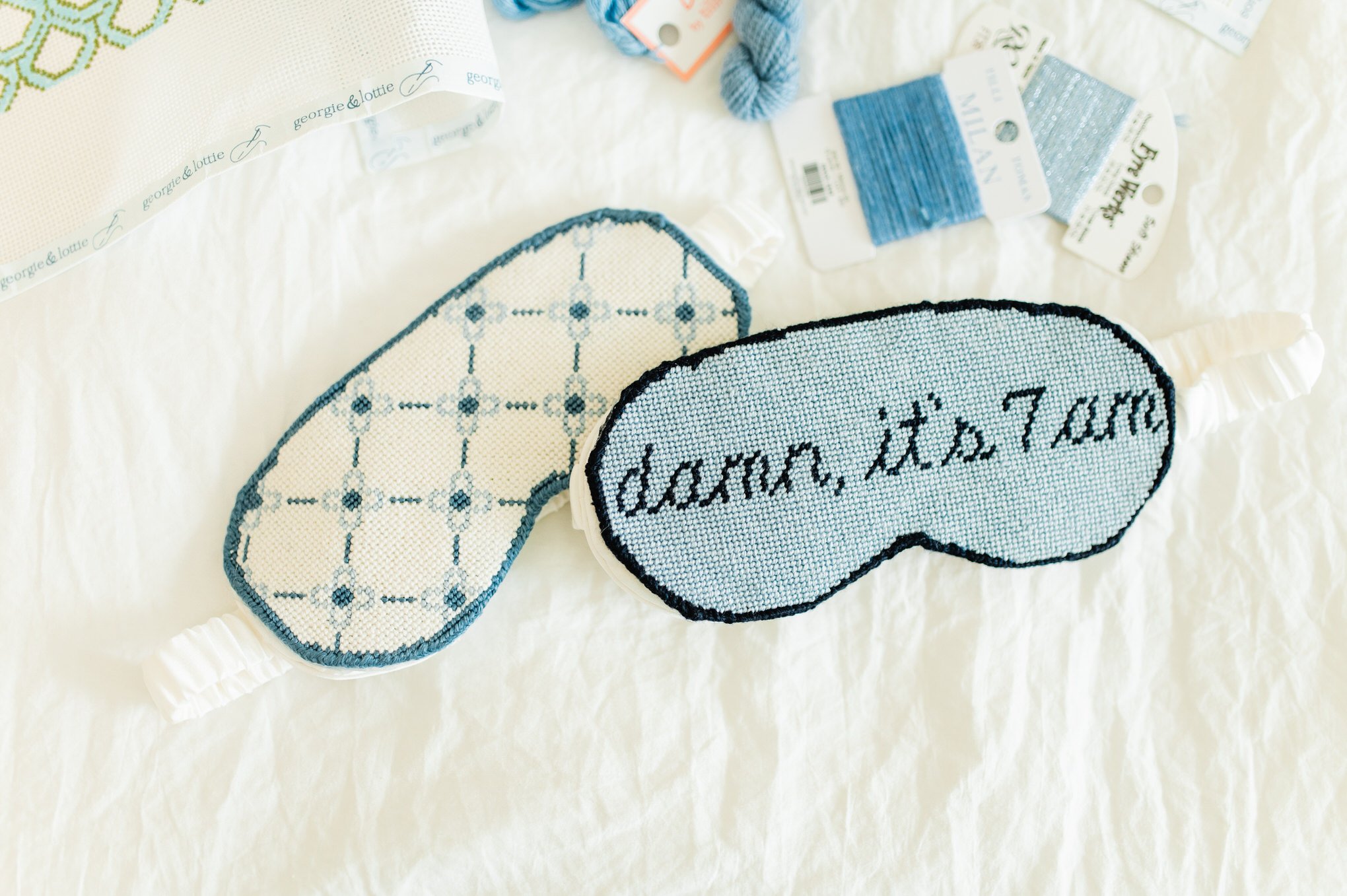
What “Aesthetic Craft” Actually Means
The term gets used casually, but the underlying impulse is specific and serious and worth taking seriously.
Aesthetic crafts are not simply crafts that look pretty. Pretty is table stakes. Aesthetic crafts are rooted in tradition, made with materials that have actual presence and quality, and finished into objects that live in your home rather than hiding in it. The process is part of the appeal. So are the tools. So is the community of people who take the craft seriously enough to have opinions about thread weight at a dinner party. (We are those people. We know what we are.)
Across every platform with any visual intelligence, the content resonating right now is not fast. It is not cheap. It is not “you can do this in a lunch break with things you already own.” It is slow, considered, material-rich making that produces objects of genuine beauty. The craft ideas gaining real cultural ground are the ones with depth, with heritage, and with a finished result that earns its place in a well-curated room without apologizing for being there.
Needlepoint is not responding to this trend. Needlepoint is the trend, finally recognized by people who weren’t looking closely enough before.
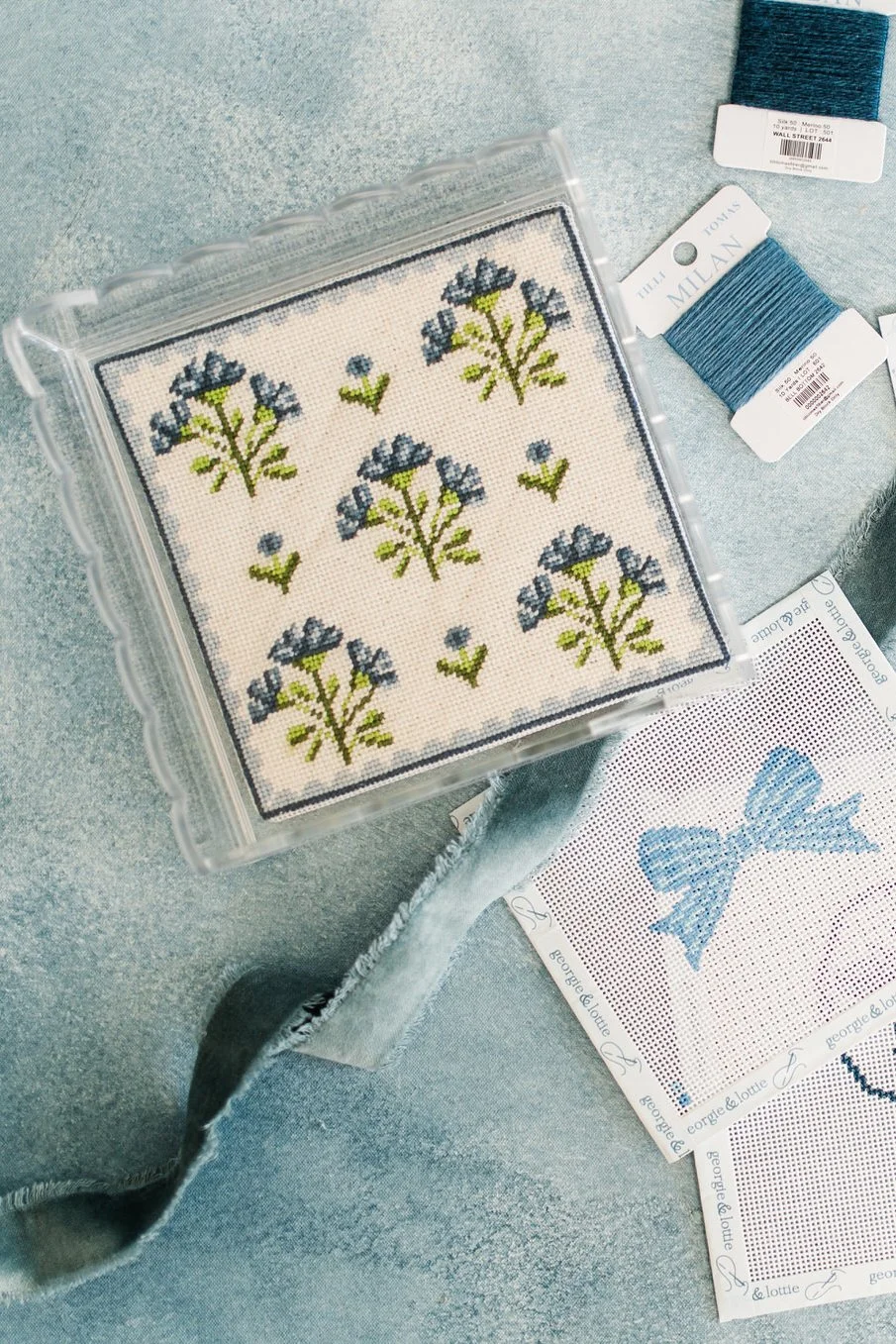
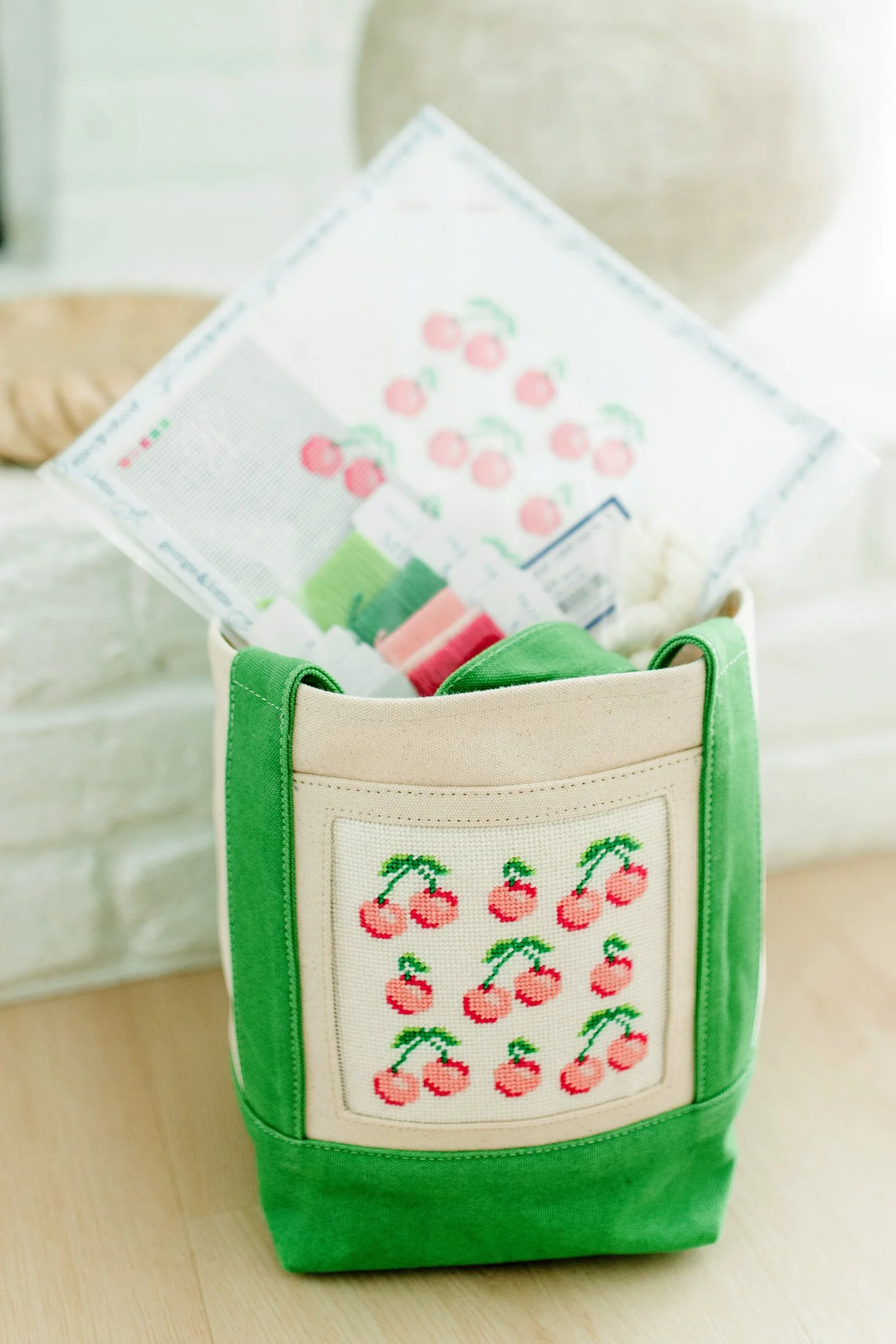
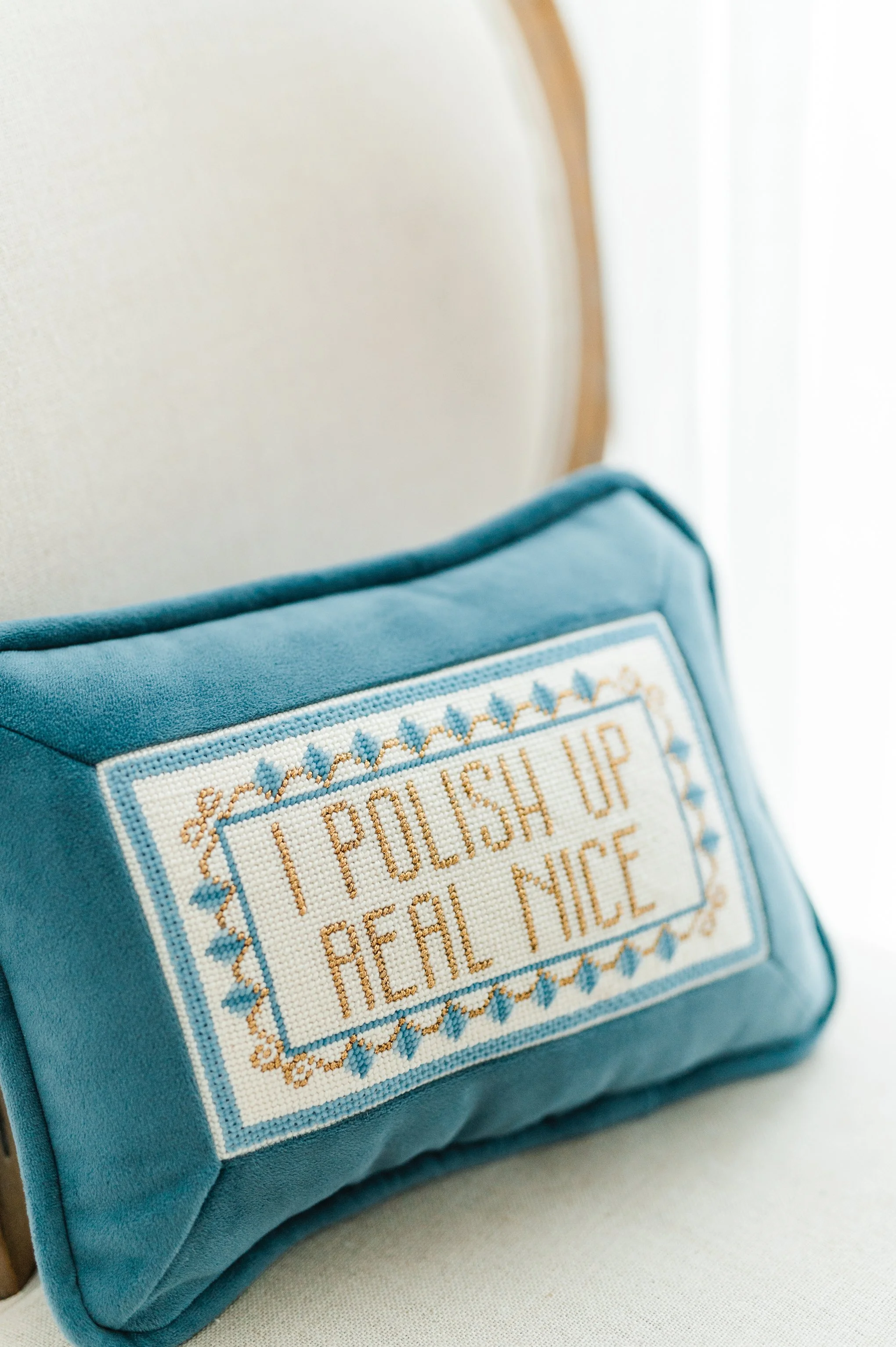
Why Needlepoint Is the Aesthetic Craft
Let’s be precise about what puts needlepoint in this category, because precision matters more than enthusiasm when you’re actually making a case.
Heritage. Needlepoint has centuries behind it. It has been practiced in Victorian parlors, carried through wartime as a form of sanity-preservation and dignified resistance, worked by American First Ladies, and stitched by serious collectors who treat their canvases with the same reverence they bring to fine art. When you sit down with a needle and a canvas, you are joining something with real depth and real history. That’s not marketing. That’s just what it actually is.
Materials that feel like something. Quality wool. Hand-painted canvas. Silk accents that catch the light at a completely unreasonable angle and make you feel briefly like a person with a very considered life. There is a tactile richness to needlepoint materials that reads immediately as elevated. You are not working with foam, with hot glue, with anything from a dollar store. You are working with things that feel worth the attention you’re giving them, because they are.
A finished object that earns its place. This is the crux of the whole argument. A finished needlepoint canvas doesn’t ask permission to be in your home. It belongs there. Framed on a wall, finished as a pillow on a well-chosen sofa, turned into an ornament that gets displayed year after year and handed down eventually. Needlepoint produces objects that people keep, admire, and eventually pass on with a story attached. That is the complete opposite of the junk-drawer craft. That is the opposite of fine.
The handmade signature. In a world of fast production and identical objects, something made by hand with visible care and real skill is increasingly rare and increasingly valuable. A finished needlepoint canvas carries the maker’s presence in a way that no purchased object can replicate. People look at it and feel the time that went into it, even when they can’t articulate why. That feeling is not nothing. It is, increasingly, everything.
The Art and Craft Ideas That Are Actually Having a Moment
Here’s what the aesthetic craft conversation looks like right now in practice, and where needlepoint fits into it with a particular and very satisfying precision:
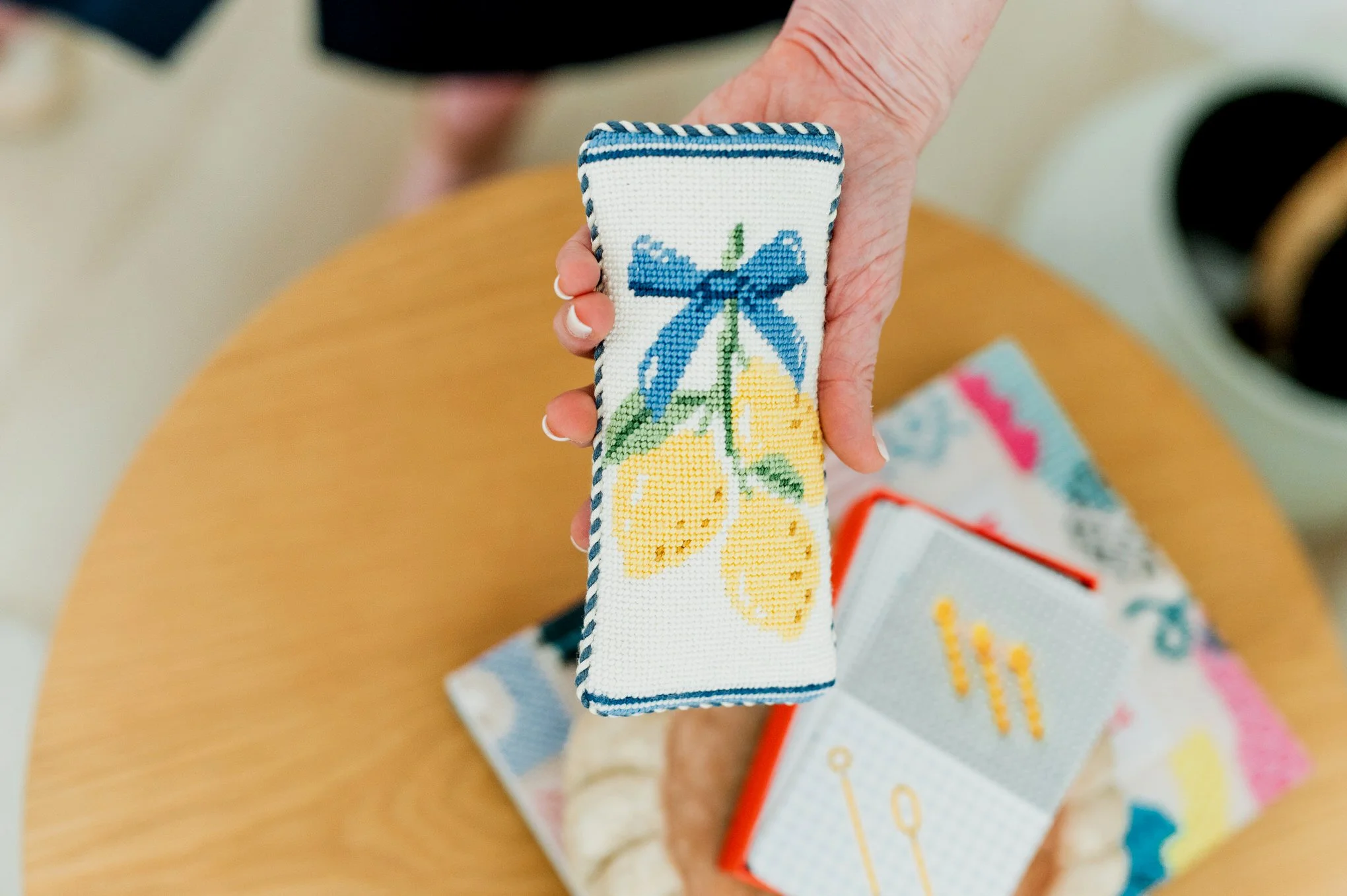
Objects that define a space rather than fill it. The fast DIY era produced a lot of things meant to cover empty wall space or add color to a shelf without anyone having to think too hard. The aesthetic craft era produces things that become the reason someone notices a room in the first place. A needlepoint pillow on a sofa is not decoration. It is a design decision. A framed canvas above a console table is not filler. It is a point of view, and it has one.
Craft with community and vocabulary. The crafts gaining real cultural ground right now are not solitary activities with no larger context. They have traditions, techniques, communities of practitioners with serious opinions, and enough vocabulary to sustain years of genuine learning. Needlepoint has all of this in abundance. Learning to needlepoint is not learning a skill. It is entering a world, and that world has been here for a very long time and is very glad you’ve arrived. Start at our Stitch School if you need a door in.
The “I made this” conversation. There is a very specific energy around handmade objects right now that the fast-craft world never quite unlocked. The point is not that it was easy to make. Not that it was inexpensive. The point is that a person made it, with their hands, over real time, and the object carries that in a way you can feel. Needlepoint is particularly good at producing this response. The finished piece invites attention and holds it. People reach out to touch it without asking permission. They ask where it came from. And when you say you made it, the conversation changes register entirely.
Beautiful materials as part of the experience. One thing the aesthetic craft world understands completely: the supplies are part of the aesthetic, not just a means to an end. A gorgeous hand-painted canvas on your project table is already beautiful before you’ve made a single stitch. Quality wool in rich, considered colors is a genuine pleasure to handle. Your project bag, your needle minder, the way your threads are organized. All of it is part of a way of making that is intentional all the way through. At Georgie & Lottie, we take this seriously. Our canvases are painted with the same care as the finished objects they’re designed to become. Browse the full shop and you’ll see exactly what we mean.
What a Finished Needlepoint Canvas Can Become
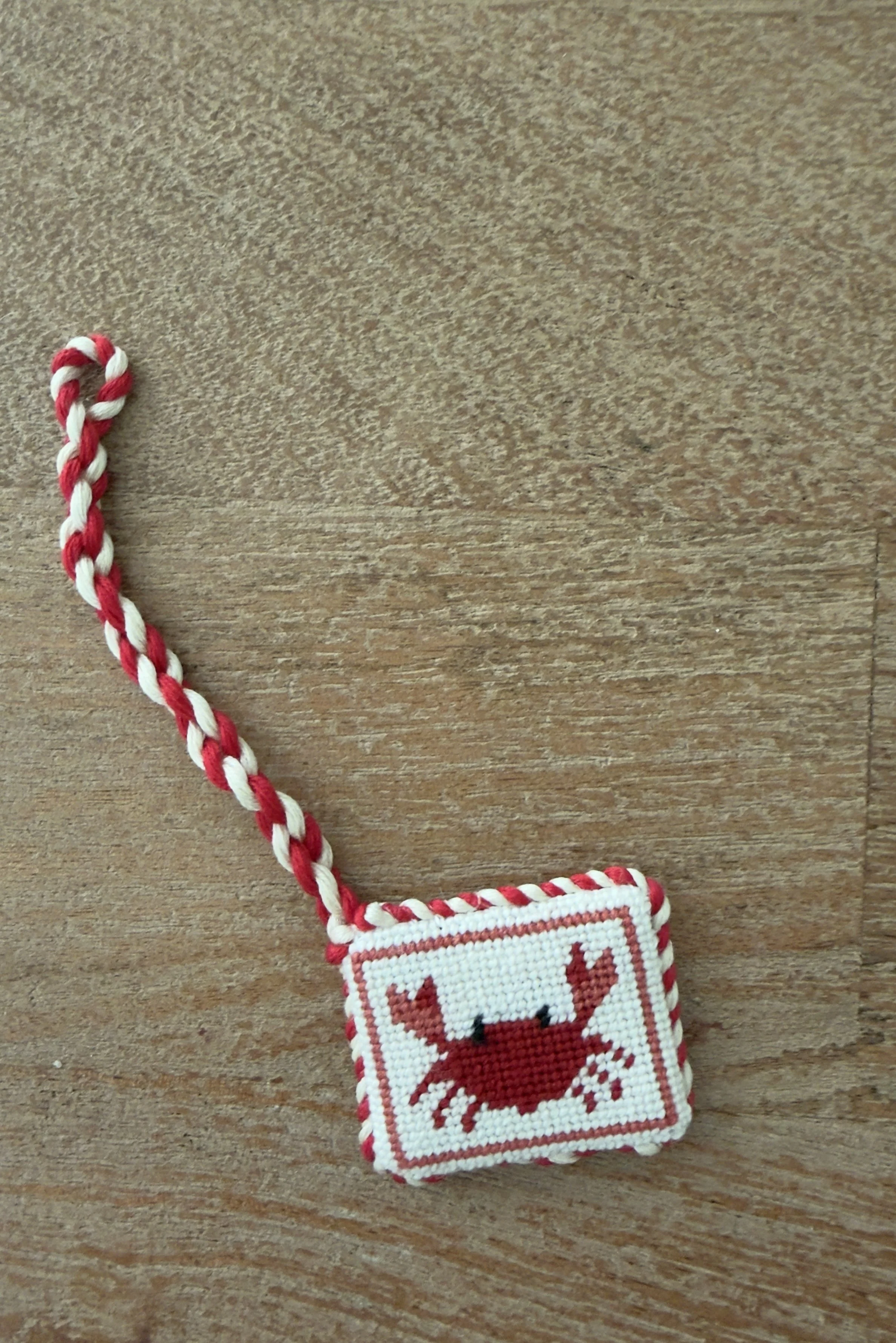
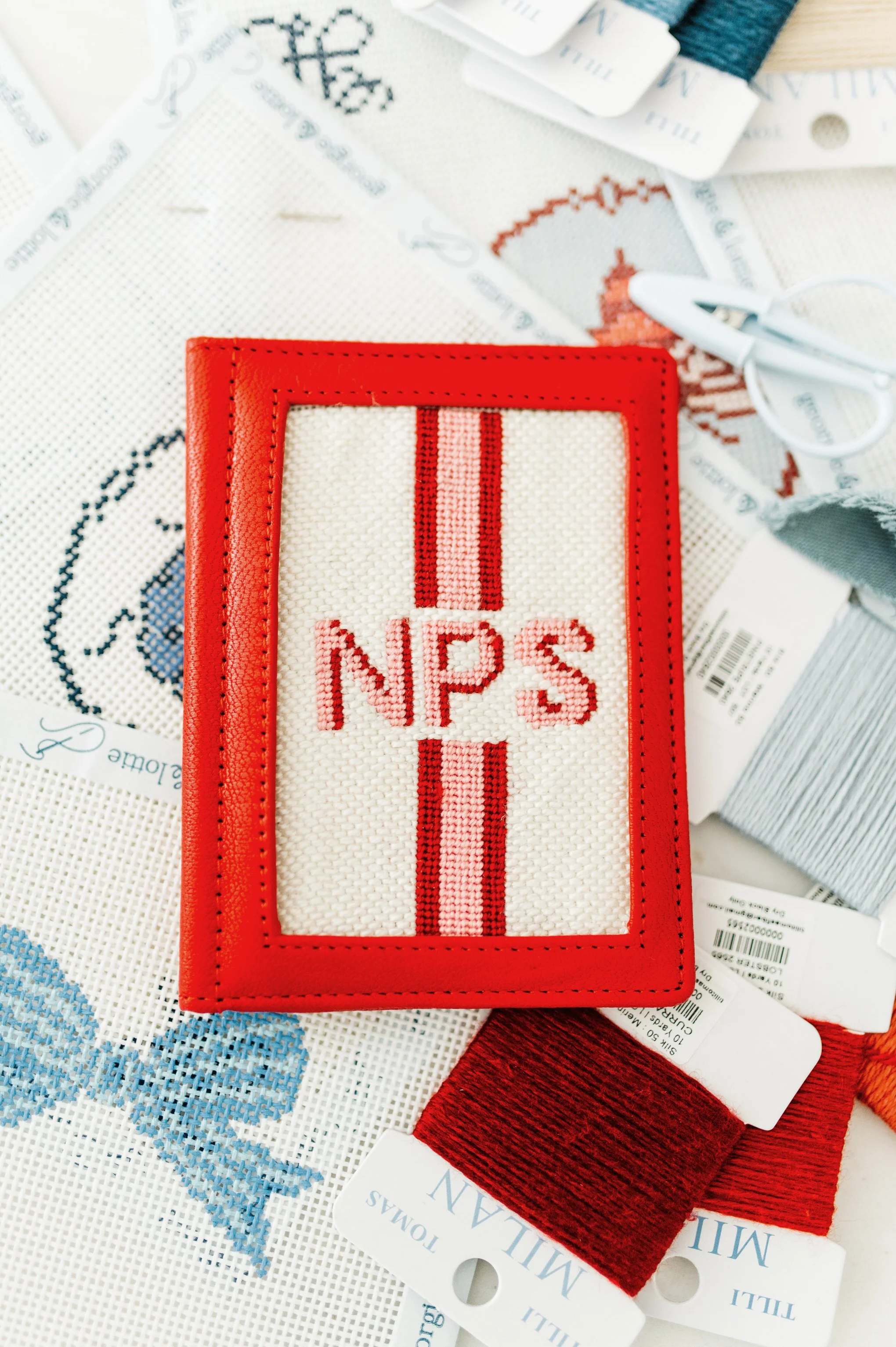
This is needlepoint’s most compelling argument in the aesthetic craft conversation: the finishing possibilities are genuinely extraordinary, and each one produces a completely different kind of beautiful, lasting object.
Framed art. The most classic outcome and an eternal one. A finished canvas in a simple frame with a linen mat looks like something you’d find in a gallery, or in the kind of shop that doesn’t put prices on things and smells faintly of cedar. Any motif works. Every motif is elevated by the right frame and a wall that was waiting for it.
Throw pillows. A needlepoint pillow is one of the most beautiful things you can put on a sofa, and we will not be taking questions on this. It has texture, color, dimension, and the particular quality of something genuinely one-of-a-kind. It is also one of the most enduring gifts you can give someone. People keep these for decades. They move with them. They show up in every house they ever live in.
Ornaments. Needlepoint ornaments occupy their own beloved and somewhat legendary category. They are collected. They are displayed annually. They are passed between generations with real meaning attached. Beginning a needlepoint ornament tradition is one of the most quietly significant things you can make with your hands. Future family members will thank you, possibly without knowing why.
Decorative objects. A finished canvas stretched into a tray, mounted in a box lid, or framed as part of a considered vignette becomes a conversation object. Something that lives on a coffee table or a dressing table and invites questions from everyone who encounters it. The best kind of decoration is the kind that has a story.
Fashion and accessories. Needlepoint has a serious and long fashion history: belts, bag inserts, coin purses, key fobs, and accessories that bring the craft into actual daily life. Right now, needlepoint in fashion is having a particularly significant moment. Check out our self-finishing accessories if you want to see what that looks like in practice.
For inspiration on professional finishing possibilities, Waste Know Want Knot in Atlanta does extraordinary work. Cara’s portfolio is an education in what needlepoint can actually become.
Making Things That Were Worth Making
Here is the honest reason aesthetic crafts are replacing fast DIY, and it is not complicated: people got tired of making things that didn’t matter. Things they weren’t proud of. Things that filled a wall and didn’t deserve to be there.
Needlepoint asks more of you than a weekend kit from a craft chain. It asks for your time, your attention, your genuine willingness to learn something real. And it returns something real in exchange. A finished object with weight and beauty and your presence baked into every single stitch. An object that did not exist before you made it and that will exist, in some form, for a very long time after.
That is not a trend. That is what making things has always been at its absolute best, now finally getting the recognition it has always deserved.
New here? Stitch School is where to start. The beginner-friendly collection is where to shop first. And our full canvas collection is where you’ll spend the next very enjoyable hour.
Start making something worth keeping. We’ll be right here, absolutely rooting for you.
Georgie & Lottie Co. is a hand-painted needlepoint canvas brand for people who make things with intention. The world has enough fast. We’re interested in beautiful.