
Beginner Needlepoint FAQ: Questions We Get All the Time
Welcome! Let’s Answer the Questions You’re Already Asking
Hi—we’re Georgie & Lottie Co. We design needlepoint canvases with beginners very much in mind, which means we hear the same questions over and over again from customers and needlepoint-curious stitchers.
If you’re new, unsure, or just trying to figure out whether you’re “doing this right,” this post is for you. These are real beginner questions, answered honestly and simply.
1. Is needlepoint hard to learn?
Short answer: no.
Honest answer: it’s a skill, and skills take a little practice.
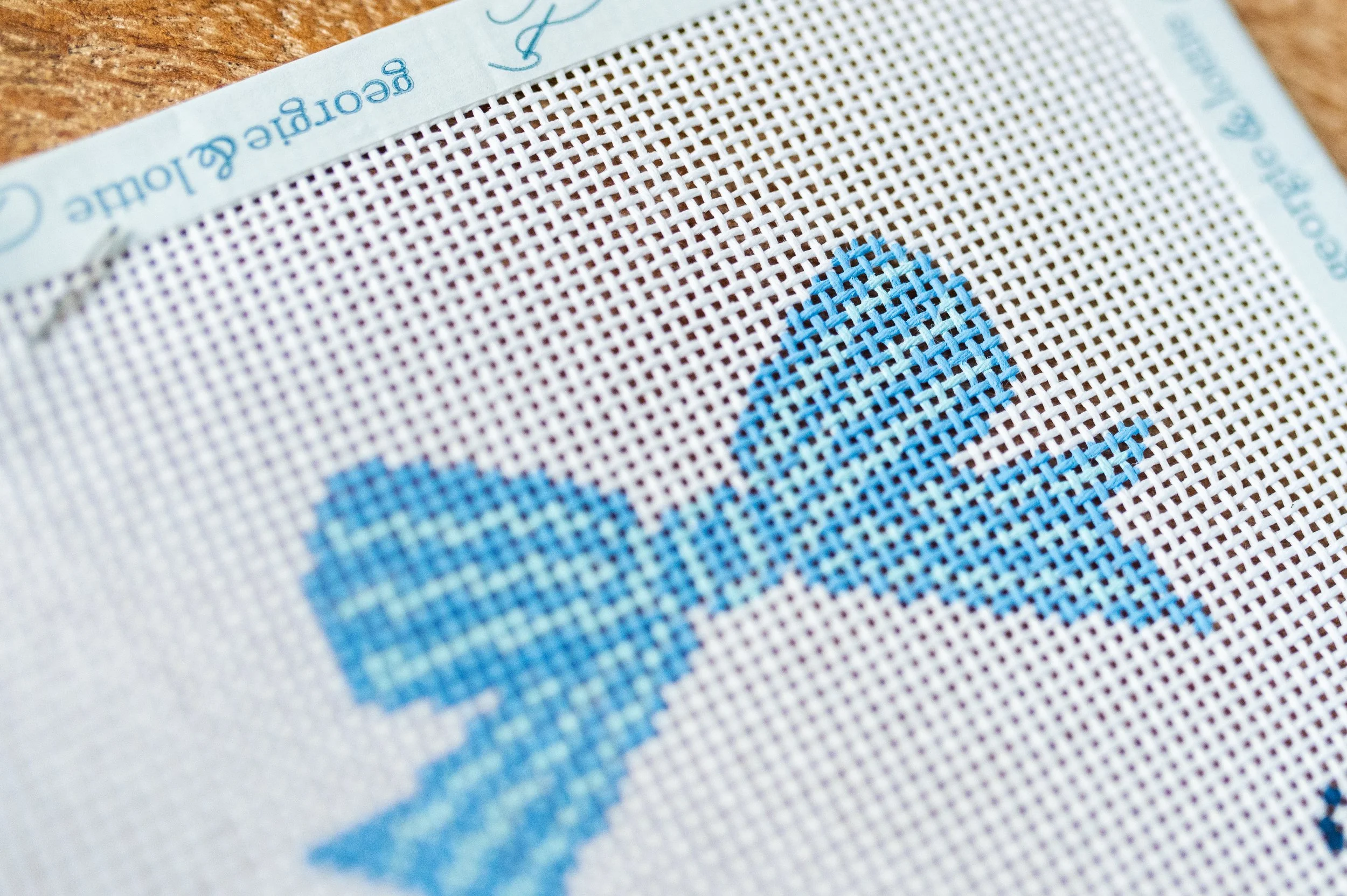
Needlepoint isn’t complicated, but it is unfamiliar at first. Most beginners struggle more with confidence than with the stitches themselves. Once your hands learn the motion, things tend to click faster than expected.
2. Do I need experience to start needlepoint?
Not at all.
You don’t need:
Sewing experience
Artistic talent
Prior crafting skills
If you can thread a needle (or use a needle threader) and repeat the same stitch, you can needlepoint.
3. What stitch should beginners start with?
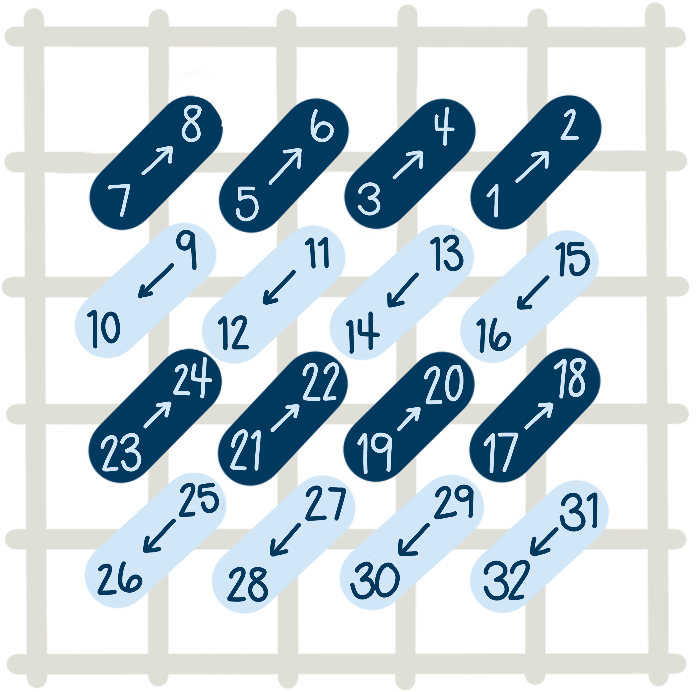
We always recommend starting with the Continental Stitch.
It’s:
Easy to learn
Beginner-friendly
Great for building confidence
You can stitch an entire canvas using Continental Stitch, and many experienced stitchers still do. Mastering one stitch first helps you focus on rhythm, tension, and enjoying the process—without overwhelm.
4. How do I know where to stitch on the canvas?
This is one of the most common beginner questions.
In needlepoint, each stitch goes over the “+” where the canvas threads intersect, not inside the square. One stitch per intersection.
Your painted canvas guides you more than you realize. If the paint changes color, you change thread. You don’t need to guess or map things out ahead of time.
5. My stitches don’t look perfect. Is that normal?
Yes—completely.
Your first canvas will likely have:
Uneven tension
Areas that look better than others
Visible improvement as you go
That’s not a problem. That’s learning. Needlepoint improves stitch by stitch, not all at once.
6. What should the back of my canvas look like?
Let’s be very clear about this:
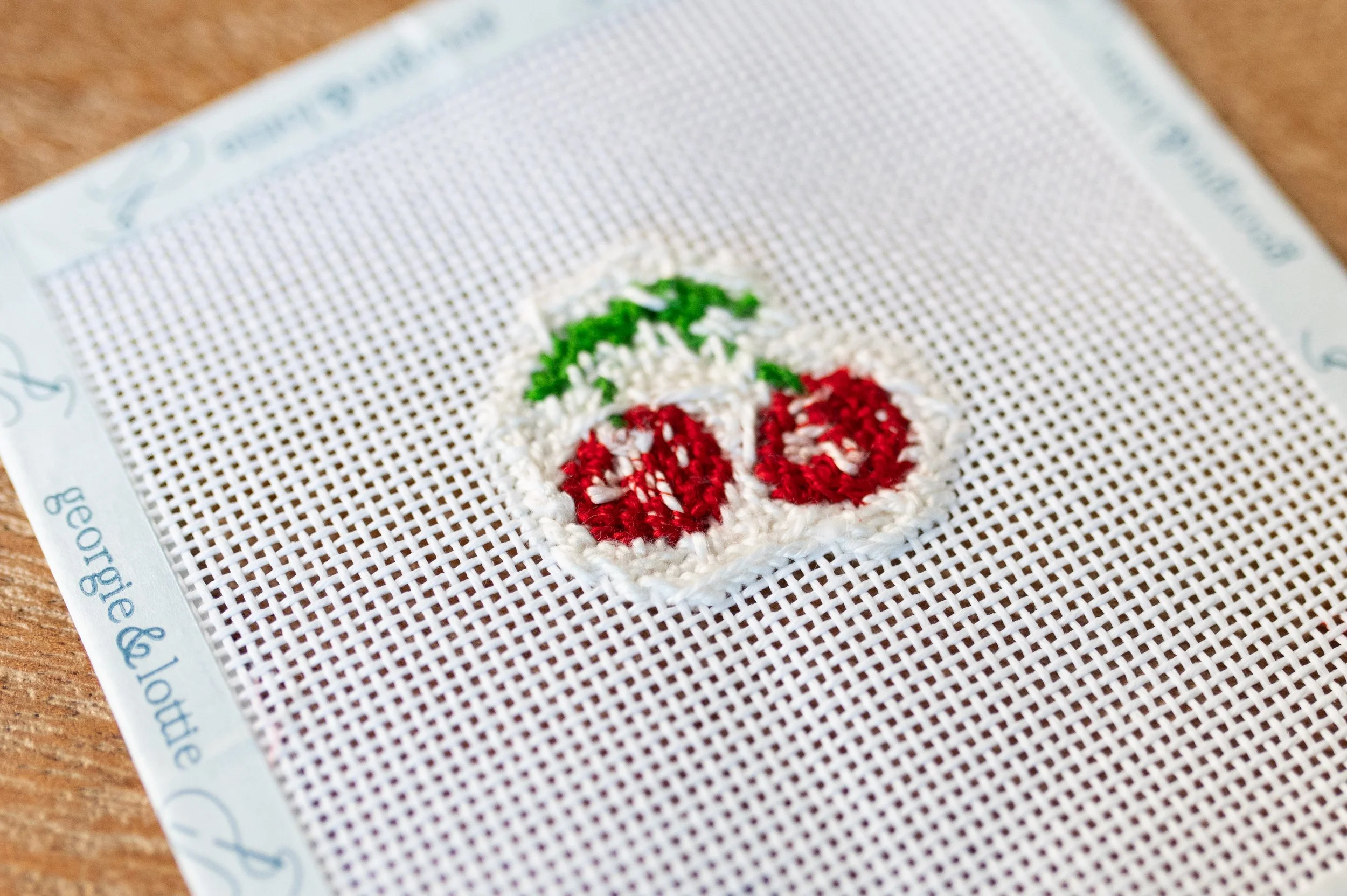
The back of your canvas is for your eyes only.
It does not need to be:
Neat
Uniform
Knot-free
If the front looks good and the canvas is structurally sound, the back has done its job. No one is grading you—and if they are, they’re missing the point.
When you become a more experienced stitcher the back of your canvases will improve. We promise!
7. How long does a needlepoint project take?
It depends on:
Canvas size
Stitch choice
How often you stitch
Beginners usually stitch more slowly at first, which is expected. Needlepoint is meant to be slow and calming, not rushed. Even short stitching sessions add up quickly. We have a detailed blog on stitching times!
8. Do I need a stitch guide?
No—but guidance helps.
That’s why our canvases come with a beginner guide, and we also offer a free more detailed beginner needlepoint guide for extra reassurance. Think of guides as reference tools, not rulebooks.
Use them as much—or as little—as you like.
And if you want short videos to show you exacrtly what you need to know, get access to our beginner NDLPT video playlist.
9. What supplies do I actually need to start?
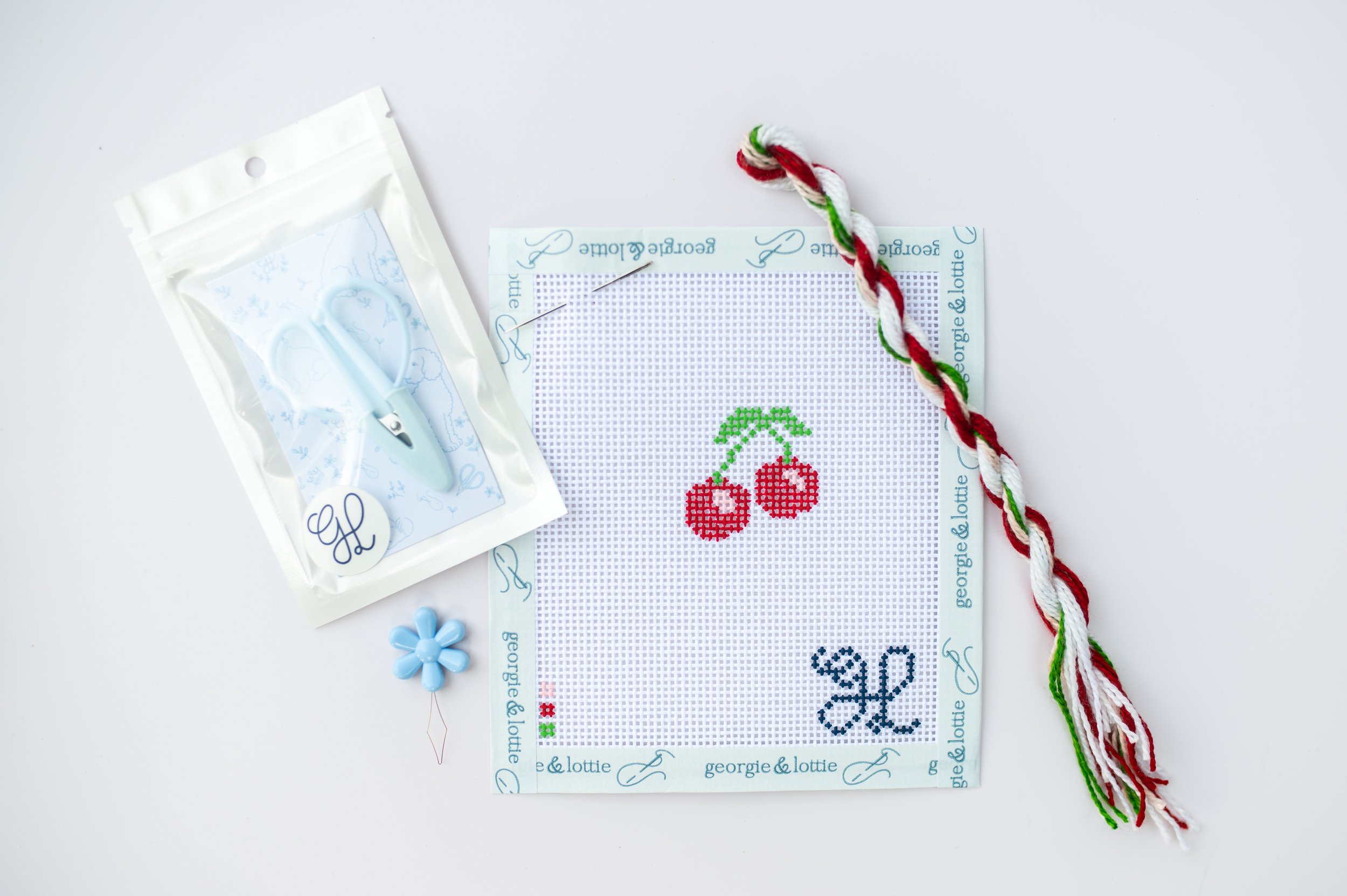
At minimum:
A painted canvas (we recommend one on 13 mesh)
Needle
Fiber (aka thread)
Scissors
That’s it. You don’t need a fully stocked craft room to begin.
That said, a few helpful tools can make learning less frustrating—especially when things don’t go perfectly (because they won’t).
10. What if my stitches get loose or messy?
This happens to everyone—especially beginners.
Loose or “rogue” stitches are common when you’re learning tension or moving your project around. That’s why we always recommend having a Snag Nab-It on hand. It lets you gently pull stray stitches back into place without ripping anything out.
We include one in our Needlepoint Rescue Kit, because every stitcher—beginner or experienced—needs a small fix-it moment now and then.
It’s not a sign you did something wrong. It’s just part of stitching.
11. What if I make a mistake?
You will. Everyone does.
Most needlepoint mistakes are:
Fixable
Minor
Often invisible once the project is finished
And sometimes? They’re not worth fixing at all. Perfection isn’t the goal—progress is.
12. What’s the most important thing beginners should remember?
This:
Your first canvas is for learning, not judging.
It doesn’t need to be perfect. It needs to teach you how needlepoint feels, how the canvas responds, and how your hands move. Confidence comes from doing—not from getting everything right the first time.
Final Thought: You’re Doing Better Than You Think
If you’re asking questions, you’re already doing this thoughtfully.
Start with Continental Stitch. Let the back be messy. Keep a Snag Nab-It nearby. Use the free guides available to you.
And most importantly—keep stitching.
We’re so glad you’re here!
Are you looking for beginner needlepoint kits to start your needlepoint journey? Check out our beginner kits!