
Rosey Grier: The 300-Pound Tackle Who Wrote the Book on Needlepoint
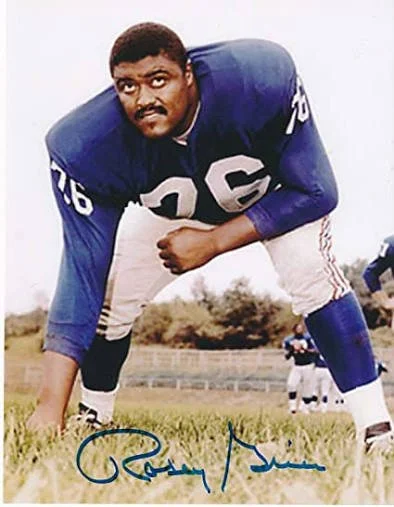
So far in Famous Needlepointers we have met a princess and a First Lady. This week we are introducing someone who could have bench-pressed both of them and their canvases at the same time.
Meet Rosey Grier. Six foot five, somewhere around three hundred pounds, one of the most feared defensive linemen in football history, and a man who was absolutely, unapologetically obsessed with needlepoint. If you have ever felt even slightly self-conscious pulling out a canvas in public, this is the patron saint you have been waiting for.
A Resume That Refuses to Quit
Roosevelt "Rosey" Grier was born in 1932 in Cuthbert, Georgia, one of twelve children, and named after Franklin Delano Roosevelt. He played college ball at Penn State, then spent twelve seasons in the NFL with the New York Giants and the Los Angeles Rams. In Los Angeles he became part of the original Fearsome Foursome, alongside Deacon Jones, Merlin Olsen, and Lamar Lundy, a defensive line widely considered one of the greatest ever assembled. He won an NFL championship with the Giants in 1956 and made the Pro Bowl twice before a torn Achilles ended his playing days in 1967.
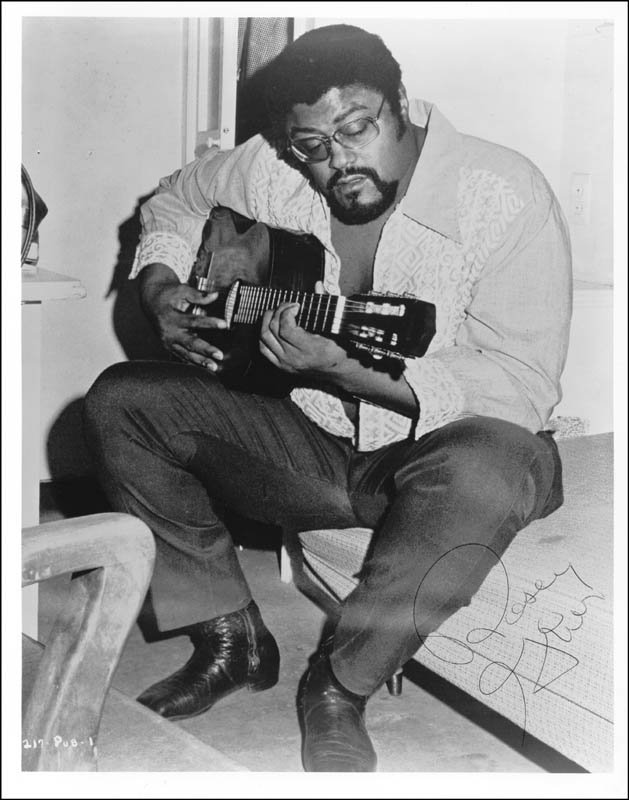
And that is just the football. Grier also acted in films and television, recorded music, served as a bodyguard, and became an ordained minister who has spent decades working with inner-city youth. The man did not have a lane. He had a highway system.
The Beverly Hills Shop That Started It All
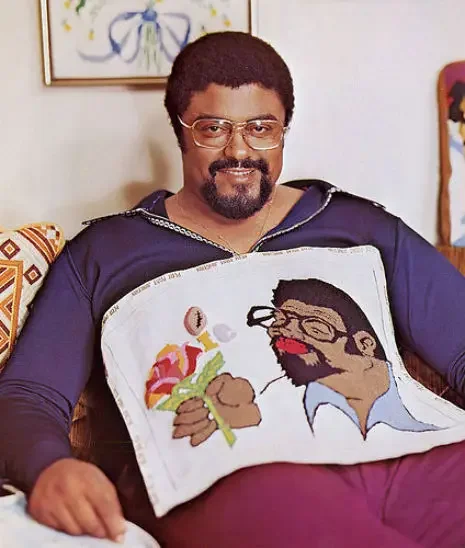
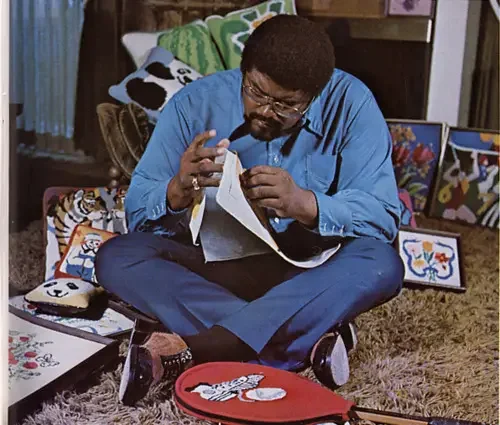
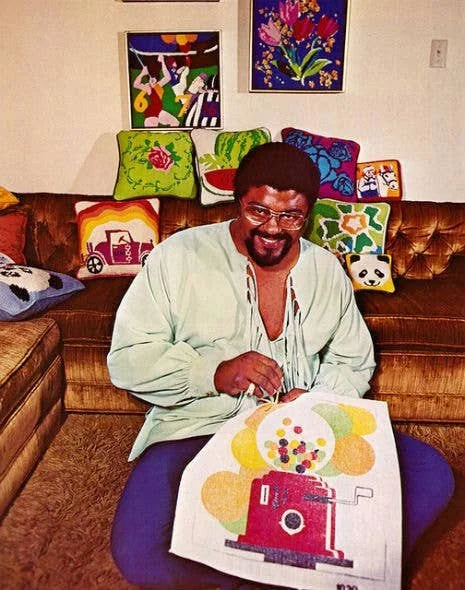
Here is where it gets good. The story goes that Grier wandered into a needlepoint shop in Beverly Hills (Jebba’s), watched a group of women doing needlepoint, and, being Rosey, had some opinions about it. One of them essentially told him to put his needle where his mouth was. He tried it. He was hooked immediately.
Before long, the biggest man on the team was doing needlepoint on the bus to games and on flights between cities, where it doubled as a way to quiet his nerves about flying. Picture the Fearsome Foursome rolling toward a stadium, and there is Rosey in the back, calmly working a canvas. We would have paid money.
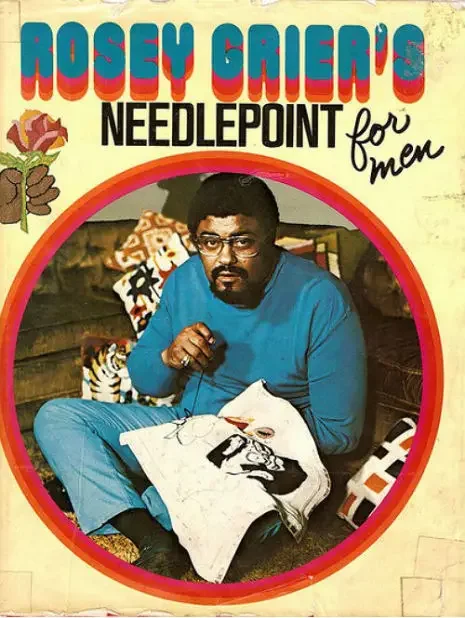
He Literally Wrote the Book
In 1973, Grier published Rosey Grier's Needlepoint for Men through Walker and Company, and it was so much more than a how-to. It was a quiet act of rebellion. At a time when needlepoint was filed firmly under "not for men," a three-hundred-pound football star put himself on the cover, surrounded by his own stitched work, looking straight at the camera, and basically dared the world to say something.
He wrote openly about the teasing he got, the harassing phone calls, the friends who warned him he was embarrassing the whole sport. And then, one by one, he converted those same friends. By his account, the teammates who mocked him ended up in his sewing circle. The book closed with a note to fathers: take your sons to the craft store. Decades before anyone used the phrase, Rosey Grier was telling men that making something beautiful with your hands is not soft, it is human.
Today the book is a genuine collector's item, regularly selling for well over a hundred dollars when you can find it at all.
The Steadiness
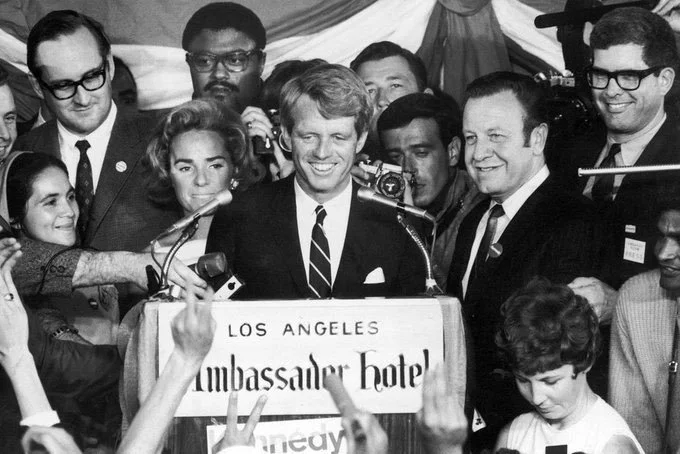
There is a tender layer under all the muscle. Grier lived through enormous noise, including being there the night Robert Kennedy was assassinated in 1968, when he was guarding Ethel Kennedy and helped subdue the shooter. He carried real weight, the kind that wears a person down, and he has spoken candidly about struggling through difficult years.
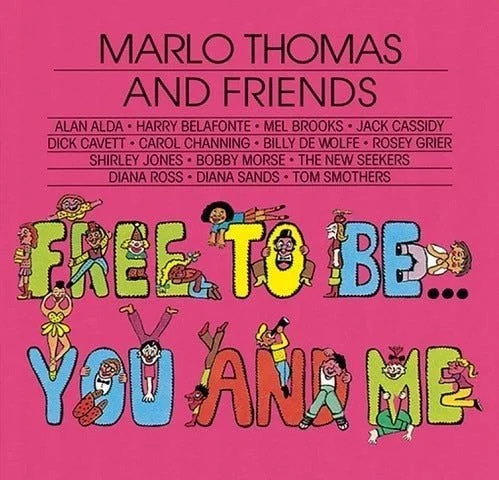
He also had a real gift for telling other people it was okay to feel things. In the early 1970s, this mountain of a man lent his deep, warm voice to the beloved Free to Be...You and Me project, singing "It's All Right to Cry," a song that gently handed a whole generation of kids permission to let their feelings out. Picture it: a defensive tackle from the Fearsome Foursome, on national television, reassuring children that tears are nothing to be ashamed of. That is the entire spirit of Rosey Grier in a single song.
Through all of it, the needle stayed. A canvas does not care how big you are or what you have seen. It asks for one stitch, then the next, then the next. For a man whose whole life ran loud, that small steady rhythm was its own kind of medicine.
The Takeaway
Grace Kelly showed us needlepoint as permission to slow down. Barbara Bush showed us what you can build with it. Rosey Grier showed us who it belongs to, which is everyone, full stop. The toughest guy on the field found his calm with a needle in his hand and never once apologized for it.
So the next time you hesitate to pull out your canvas, remember that a man who terrified quarterbacks for a living stitched on the team bus in front of the entire defensive line.
He was a champion, a hero, a minister, and one of us.
Sources: Rosey Grier’s Needlepoint for Men; Maharam.com; lordlibidan.com